


Best Time to Travel to Japan: Weather & Travel Tips
Planning a trip to Japan can be exciting yet overwhelming especially when deciding the best time to travel to Japan. Japan is a year round destination with four distinct seasons, each offering unique experiences. The best time to travel to Japan- Weather & Travel Tips will depend on what you want to see and do, whether it’s viewing cherry blossoms, enjoying colorful autumn leaves, attending summer festivals, hitting the ski slopes in winter, or simply getting the best deals. In this comprehensive guide, we’ll break down Japan’s seasons, climate, and key travel tips so you can decide the best time to travel to Japan for your interests.
Japan’s climate ranges from snowy winters in northern Hokkaido to subtropical summers in Okinawa. Generally, spring and fall are the most popular times to visit thanks to mild weather and beautiful scenery. Summer brings festivals and fun but also heat, humidity, and occasional typhoons, while winter offers superb skiing and lower travel costs during the off-peak period. Read on for a season by season overview, plus tips on holidays like Golden Week, budget travel timing, and regional highlights (Tokyo, Kyoto, Hokkaido, and beyond). By the end of this guide, you’ll know your best time to travel to Japan!
Spring (March–May): Cherry Blossoms and Mild Weather
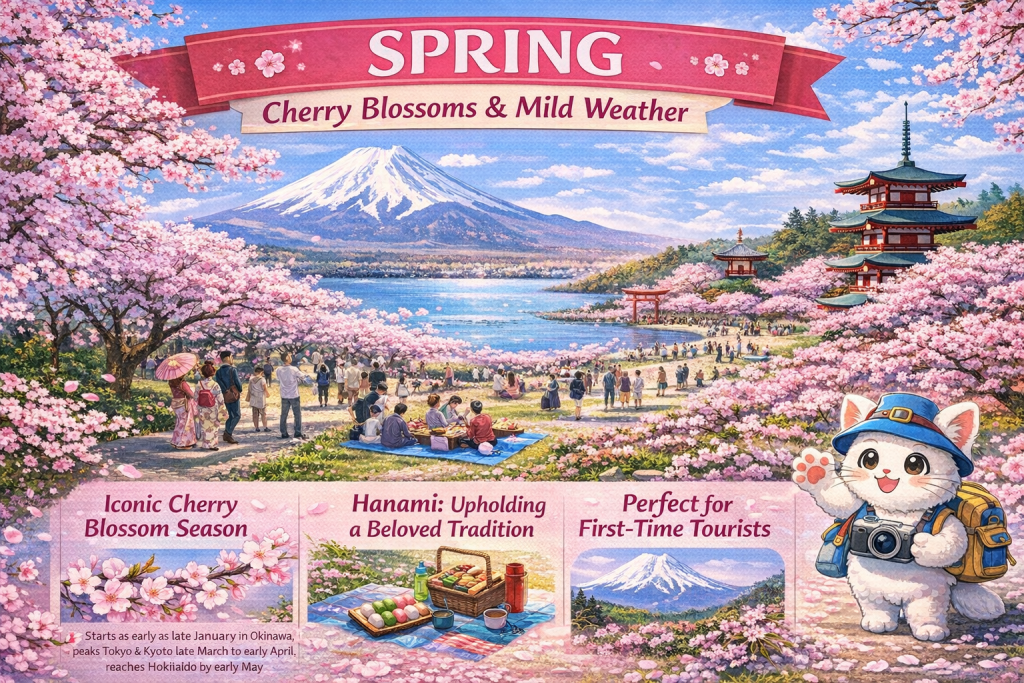
Spring is often considered the best time to travel to Japan especially for first time tourists due to the famous cherry blossom season and comfortable weather. Cherry blossoms (sakura) sweep across Japan starting as early as late January in Okinawa, reaching Tokyo and Kyoto in late March to early April, and finally Hokkaido by early May. For many travelers, the best time to travel to Japan is during this cherry blossom season when parks and temples are draped in pink blooms. Hanami, flower viewing parties under the blossoms are a cherished cultural experience.
However, keep in mind that sakura season draws huge crowds. Springtime in Japan is extremely popular, with many overseas visitors and domestic tourists all out to see the flowers. Hotels and flights book up early and prices rise during late March and April. If your Japan trip centers on cherry blossoms, plan well in advance. A handy travel tip: aim for the last week of March or first week of April in main cities (earlier if in the south, later if in the north) for the best chance to catch full bloom. Also consider visiting smaller towns or regions off the typical tourist path to avoid the heaviest crowds during sakura peak.
Mount Fuji framed by cherry blossoms in spring. Cherry blossom season is one of the best times to travel to Japan for its iconic scenery and pleasant weather.
Beyond blossoms, spring weather in Japan is generally mild and sunny. Daytime temperatures in April average 15–20°C (59–68°F) in central Japan, making it comfortable for sightseeing. It’s a great time for outdoor activities, temple hopping, and city strolling. Late spring (May) can be especially pleasant: after the blossoms and Golden Week holidays pass, crowds thin out and you’ll enjoy warm weather before the heat and humidity of summer sets in.
Beware of Golden Week: Golden Week is a string of national holidays from about April 29 to May 5 when many Japanese people travel. During this period, popular spots get overcrowded, and trains, hotels, and attractions can be fully booked. It’s not the best time to travel to Japan if you dislike crowds or high prices. If you must travel during Golden Week, book everything well in advance and prepare for busy transport. Otherwise, consider arriving right after Golden Week early to mid May when things quiet down and late blooming cherry blossoms may still be seen in northern regions.
Spring Travel Tips: Bring a light jacket as evenings can be cool. Expect crowds at famous parks like Ueno Park in Tokyo or Maruyama Park in Kyoto during sakura bloom visit early morning for a quieter experience. Also, don’t overlook other spring flowers wisteria tunnels, azaleas, nemophila blooms which color Japan in April-May. Overall, if seeing cherry blossoms is your dream, spring is the best time to travel to Japan for you, just be ready to share the views with many others!
Summer (June–August): Festivals, Beaches, and Mountain Adventures
Summer in Japan is a season of lively matsuri , fireworks, and outdoor fun but also high heat and humidity. June brings the rainy season (tsuyu) over most of Japan (except Hokkaido), characterized by frequent drizzles and sultry weather. While not as intense as monsoons elsewhere in Asia, expect higher humidity and carry an umbrella if visiting in June or early July. The upside? Rainy season is a well kept travel secret a relative off-peak time with fewer tourists and lower prices on accommodations. If you don’t mind a bit of rain, you can enjoy quieter sightseeing and even seasonal delights like hydrangea blooms at temples during this period.
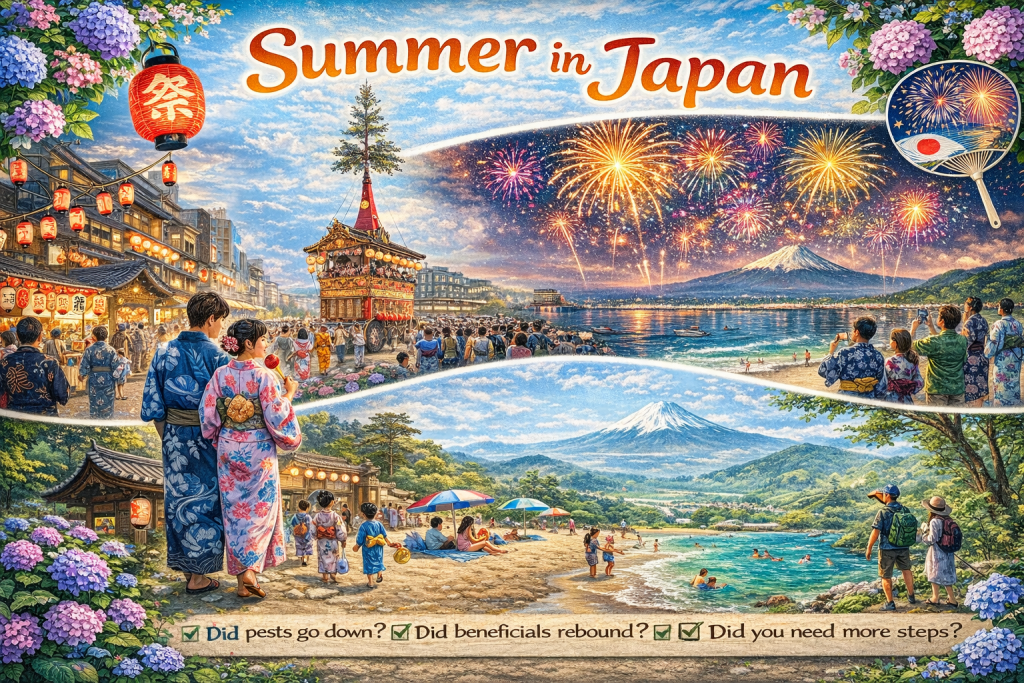
By mid-July, summer kicks into full gear. Temperatures soar (30°C+ or 86°F and higher in many areas) and humidity can be intense, especially in cities. Tokyo and Kyoto can feel especially hot and steamy in July–August. It’s important to stay hydrated and take midday breaks to cope with the heat. Despite the weather, many travelers still consider summer the best time to travel to Japan if they are interested in cultural festivals and events. Colorful summer festivals occur throughout the country: for example, Gion Matsuri in Kyoto runs the entire month of July and features spectacular parades and traditional events. In late July and August, cities host massive firework shows that light up the night sky. You’ll also find local bon odori dance festivals around the Obon period in mid-August.
Speaking of Obon (August 13–16), this is an important holiday when many Japanese return to their hometowns to honor ancestors. The week of Obon (approximately August 8–16) sees a spike in domestic travel – shinkansen trains and highways fill with people visiting family. Tourists can certainly visit during Obon to enjoy the rich cultural atmosphere (many regional festivals happen during this time, such as Kyoto’s Daimonji bonfire event). Just be aware of crowds and book transportation in advance if traveling in mid-August. For those who prefer to avoid crowds, late August (after Obon) might be quieter, but note that late summer is peak typhoon season in Japan. Typhoons (tropical storms) can occur from July to October, with highest risk in August–September. They rarely cause major issues in most tourist areas, but they can bring heavy rain and some travel disruption, so it’s wise to have a flexible itinerary or travel insurance during these months.
Not all of Japan is sweltering in summer. If you’re put off by the heat, consider heading north or to higher elevations. Hokkaido in July and August offers pleasant mild days, stunning flower fields like lavender in Furano, and is a paradise for hikers and nature lovers. Mountainous regions like the Japan Alps or small rural towns can also be cooler. For example, the mountain village of Kibune near Kyoto stays about 10°C cooler than Kyoto city and is a refreshing escape with riverside dining. Beach goers will find Okinawa and coastal areas perfect for swimming and diving in summer .
Summer is also the only time for a unique adventure: climbing Mt. Fuji. The official Mt. Fuji climbing season runs from early July to early September, when trails are open and conditions are safest. If hiking Japan’s iconic peak at sunrise appeals to you, plan for summer and avoid the off-season – when the mountain is closed due to dangerous weather.
Summer Travel Tips: Pack light, breathable clothing, sunscreen, and a hat. Buy a folding fan or uchiwa , you’ll see locals using them to cope with the heat. Stay aware of festival dates in areas you’ll visit; accommodations may book out during major events like Gion Matsuri or big firework festivals. Conversely, if you want to attend these, arrive early and secure a good viewing spot. Despite the challenges, summer’s long days and festive vibes can make it the best time to travel to Japan for those eager to immerse in local culture and outdoor fun.
Autumn (September–November) – Comfortable Weather and Vibrant Foliage
Autumn is another strong contender for the best time to travel to Japan, often loved for its crisp weather and gorgeous fall foliage. After the hot, humid summer, temperatures begin dropping in September though early fall can still feel warm, with lingering humidity and occasional typhoons in September. By October, most of Japan enjoys mild, pleasant days around 15–25°C, depending on location and clearer skies. Autumn is generally considered one of the best seasons weather wise with comfortable temperatures and lower rainfall. This makes sightseeing, city walking, and hiking all very enjoyable in fall.
The star attraction of autumn is kōyō, or fall colors. Across Japan, leaves turn brilliant shades of red, orange, and gold. The timing varies by latitude and elevation: northern and mountainous regions like Hokkaido, Tohoku, or the Japanese Alps see foliage as early as October, while Tokyo, Kyoto, and other central areas peak in mid to late November. For example, Kyoto’s temples and gardens are famous for their autumn splendor, usually peaking late November. Many parks even open at night for special illuminated fall foliage viewing. Similarly, areas like Nikko (north of Tokyo) or Nara offer spectacular autumn scenery.
Because of this beauty, autumn has become a high season for tourism in Japan, almost rivaling spring. Stunning foliage tends to draw crowds when leaves reach their peak, typically from mid-November to early December. You’ll want to book accommodation ahead if visiting popular spots at that time. If you prefer fewer tourists, early autumn (late September to early October) might be a good compromise the weather is still nice, and while greenery hasn’t turned fully, you avoid the peak rush. Additionally, late October is a sweet spot in many areas for a balance of color and manageable crowds.
Culturally, autumn in Japan also offers numerous events. There are harvest festivals and streets lined with food stalls in some towns. In October, Kyoto hosts the Jidai Matsuri (Festival of the Ages) with historical costumes parade. Halloween has also become popular in big cities (Tokyo has street parties and theme park events in late Oct). Another plus: autumn is a great season for foodies, as many delicious foods are at their freshest from mushrooms and sweet potatoes to seasonal fish like sanma. Restaurants often have special autumn menus.
Autumn Travel Tips: Pack layers early fall can feel summery, but by November you’ll need a sweater or light coat, especially at night. Typhoon season technically lasts through September and sometimes into October, so if traveling in early fall keep an eye on weather forecasts. If your goal is to see peak autumn colors, research the typical timing for your destinations (and consider visiting a mix of locations at different elevations to maximize your chances). Also, weekdays usually have fewer leaf peeping crowds than weekends at famous spots. Overall, for many travelers who prioritize scenery and pleasant weather, the best time to travel to Japan might be autumn.
Winter (December–February) -Snowy Wonders and Budget Friendly Travel
Winter in Japan is a tale of two experiences. In the north and mountains, it means snow and lots of it creating a paradise for winter sports and postcard perfect landscapes. In the south and big cities like Tokyo, winters are chilly but relatively dry, with clear skies. Temperatures range widely: Tokyo averages around 5–10°C (40–50°F) in winter days, while Hokkaido can drop well below freezing with heavy snowfall. If you love skiing, snowboarding, or want to see a different side of Japan, winter is the best time to travel to Japan for you.
Japan has world class ski resorts with long seasons and famously excellent powder snow. Hokkaido is undeniably the best place to ski or snowboard in Japan, boasting resorts like Niseko and Rusutsu that attract enthusiasts worldwide. Nagano and Niigata (reachable from Tokyo by shinkansen) also offer fantastic ski areas with alpine scenery. Many ski resorts open by mid-December and operate through March. February is often peak snow condition time. Additionally, February hosts unique events like the Sapporo Snow Festival in Hokkaido, where giant ice sculptures transform the city into a winter wonderland.
Even if you’re not into skiing, winter has other charms. Imagine soaking in a steaming onsen (hot spring) while snow falls around you – a quintessential Japanese experience available in hot spring towns across the country. Or visiting an outdoor snow monkey park in Nagano, where monkeys bathe in hot springs. Cities feature beautiful winter illuminations (elaborate light displays, especially around Christmas/New Year). And without the throngs of tourists from spring and fall, you’ll have popular attractions with far fewer people in winter. In fact, the low season for tourism is roughly January through early March, meaning cheaper airfare and hotel rates are often found in these months. For budget travelers, this can be the best time to travel to Japan – you might save money and still enjoy a great trip by focusing on winter activities.
That said, there are a couple of caveats for winter. One is the shorter daylight (roughly 5 PM sunsets in December) which can limit sightseeing hours. The other is the holiday season: late December and New Year’s. New Year (Shogatsu) is Japan’s most important holiday, and from December 29 to January 3, many businesses, restaurants, and even tourist sites may close or have limited hours. Japanese families gather and many people travel domestically during this period, so transportation and hotels can be busy around the New Year. Prices also spike around the Christmas to New Year week, unlike the rest of winter. If you plan to visit over New Year’s, book ahead and be prepared for holiday schedules. The flip side is you can witness cultural traditions: for example, hatsumode (first shrine visit of the year) where crowds gather at shrines at midnight on Dec 31 and early January to pray for good fortune. It’s a special cultural experience if you don’t mind the cold and crowds at temples. Another winter consideration: while major cities rarely see heavy snow (Tokyo might get a light snow once or twice a year), if you are traveling to rural areas, check weather reports, as some remote routes can be impacted by snow.
Winter Travel Tips: Pack warm clothing – a coat, gloves, and thermal layers if visiting cold regions. In cities like Tokyo or Osaka, indoor heating is good, but old buildings (and some hotels) might be chilly, so layering is key. Take advantage of the season by trying winter foods like nabe hot pot, or visiting a yukitsuri (snow light festival) if available. If you’re on a budget, hunt for winter discounts or consider a Japan Rail Pass during this less crowded time. Overall, winter is an underrated yet delightful time to visit Japan, offering a mix of adventure and cultural insight – and possibly the best time to travel to Japan for those looking to save money and avoid peak-season crowds.
Travel Timing Tips: Crowds, Budget, and Special Events
Choosing the best time to travel to Japan ultimately means balancing weather, crowds, and personal interests. Here are some additional tips and considerations to help you plan:
- Peak vs Off-Peak: Japan’s peak tourist seasons are spring (March–April) and fall (October–November), when weather is ideal and scenery stunning. If you travel in these periods, expect higher costs and make bookings months in advance. Off-peak times include winter (January–early March) and the rainy season (June), which offer lower prices and fewer tourists. If you’re a budget traveler, the best time to travel to Japan is during these off-peak periods – for example, flights and hotels in February might be significantly cheaper than in April. Just pack appropriately and plan indoor activities for rainy days.
- Avoiding National Holidays: We mentioned Golden Week (late April–early May) and Obon (mid-August) as busy times. Another is Silver Week, a lesser known cluster of holidays in late September (only in some years when multiple holidays align – for instance, in 2026 it creates a long weekend). During these holiday weeks, travel infrastructure inside Japan is under heavy demand. If your schedule is flexible, it’s wise to avoid these periods or be ready for crowds and higher prices. Conversely, right after these holidays can be a great time for example, mid-May or late August often sees a dip in visitors.
- Regional Weather Differences: Japan’s length north to south means timing can depend on region. For Hokkaido, the best time to travel may be July-August or January-February for snow sports and the Ice Festivals whereas those are not ideal times for other regions. If you plan to focus on Hokkaido, consider summer or winter specifically. For Okinawa and the southern islands, winter and early spring (December–April) have mild, pleasant weather – summers there are extremely hot and typhoons are more frequent in late summer. Big cities like Tokyo and Kyoto are fairly similar in seasonal pattern: spring and fall are best, summer is very hot – Kyoto in particular, being inland, can feel like a furnace in August and winter is cold but manageable. If visiting Tokyo, note that while it’s lively year round, many of its biggest cultural events happen in spring (cherry blossom parties) and late summer (street festivals, fireworks). Kyoto shines in April and November with its temples framed by blossoms or fall colors, so those are often cited as the best times to travel to Japan’s Kyoto for postcard scenery and festivals. On the other hand, visiting Kyoto in summer gives you Gion Matsuri, and winter allows you to see temples in a rare quiet atmosphere plus occasional picturesque snowfall.
- Cultural Considerations: If your goal is to experience Japanese culture and festivals, plan your trip around those events. For example, if you want to see cherry blossom culture (hanami parties), come in spring. For traditional matsuri dances or fireworks, summer is ideal. Interested in Japanese New Year rituals? Go around late December/early January to witness how the New Year is celebrated (with temple bells, shrine visits, special foods, etc.). In short, the best time to travel to Japan for culture might coincide with a specific festival or season that highlights what you love – be it the spring bloom, autumn arts events, or winter holiday traditions.
- Flexibility and Booking: No matter when you decide to go, it pays to be a bit flexible. Weather can be unpredictable an early bloom, a late typhoon, an unusual heat wave so having a backup plan for key activities is smart. Always book popular experiences ahead during high season this includes museum tickets, theme parks (like Ghibli Museum or teamLab exhibitions), and guided tours that may fill up. If traveling in peak season, reserve hotels as early as possible especially in Kyoto, which has limited accommodations relative to demand during cherry blossom and fall foliage peaks.
Finally, remember that there really is no single “perfect” time that suits everyone. Each season in Japan has its own magic. If you plan thoughtfully, any time can be the best time to travel to Japan for you.
Quick season by season summary table
| Season | Typical conditions | Best for | Watch-outs | Simple tips |
|---|---|---|---|---|
| Spring (Mar–May) | Mild, comfortable; sakura moves south→north | Cherry blossoms, first-time trips, city + nature balance | Peak demand late Mar–Apr; Golden Week Apr 29–May 5 is extremely busy | Book early for late Mar–Apr; travel just after Golden Week for calmer May |
| Early Summer (Jun–early Jul) | Rainy season in much of Japan (except much of Hokkaido) | Fewer crowds, greener scenery, hydrangeas | Humidity + drizzle; some outdoor plans may shift | Pack a compact umbrella; plan a few indoor “rain-day” options |
| Summer (mid-Jul–Aug) | Hot + humid in cities; long days | Festivals, fireworks, beaches; Mt. Fuji climbing | Obon mid-Aug is busy; typhoon risk increases later summer | Prioritize mornings/evenings; consider Hokkaido / Alps for cooler weather |
| Autumn (Sep–Nov) | Cooling temps; clearer skies; peak foliage later | Fall colors, hiking, photography, food season | September can still see typhoons | Target Oct for comfort; mid–late Nov for Kyoto/Tokyo foliage peaks (book ahead) |
| Winter (Dec–Feb) | Dry and crisp in many cities; deep snow in north/mountains | Skiing/onsen, fewer crowds, potential deals | Late Dec–early Jan has holiday closures and travel demand | Pack layers; enjoy onsen towns + winter illuminations; check business hours near New Year |
Final thought
Japan really is a year-round destination, so the “best” time comes down to your priority: iconic scenery (spring/fall), festivals (summer), snow + savings (winter), or fewer crowds (June / deep winter). If you want the safest all-around pick for weather and sightseeing, late March early April (sakura, crowds) or late Oct–late Nov (fall colors, crowds) are the classic sweet spots.
References (for planning & verification)
- Japan Guide – Golden Week overview
- Lonely Planet – Golden Week planning considerations
- Japan Guide – Obon dates and travel impact
- Official Mt. Fuji Climbing site – trail opening periods
- JNTO (Travel Japan) – Mt. Fuji climbing timing + peak notes
- timeanddate – Japan holidays calendar (2026)
- Go Tokyo – note on 2026 Sep 22 “bridge holiday”
- Japan Travel – Typhoon season overview
FAQ for Best Time to Travel to Japan
1) What’s the single best month to visit Japan for most travelers?
If you want the best balance of weather + sightseeing, October is often the easiest “set-and-forget” month (comfortable temperatures, less rain than summer, and foliage begins in some regions). Early April is iconic for sakura but comes with heavier crowds and higher prices.
2) When should I go for cherry blossoms?
For major hubs like Tokyo/Kyoto, plan late March to early April, but bloom timing shifts year to year and moves northward through spring.
3) When is the cheapest time to go?
Generally, January–February (excluding the New Year rush) and parts of June can be better for deals because they’re outside the peak spring/fall windows.
4) Is summer a bad time to visit Japan?
Not if you plan for it. Summer is fantastic for festivals, fireworks, beaches, and Mt. Fuji, but you’ll manage heat/humidity and possibly typhoons later in the season
5) What dates should I avoid if I hate crowds?
Avoid Golden Week (Apr 29–May 5) and Obon (around Aug 13–16). In 2026, also be cautious around Silver Week (Sept 19–23) due to the holiday alignment.

1 thought on “Best Time to Travel to Japan – Weather & Travel Tips Guide”